Region
Racha-Lechkhumi
132 wines in the catalogue
Independent guide. Every verdict carries its sources — producers can respond.
Independent guide to Georgian wine
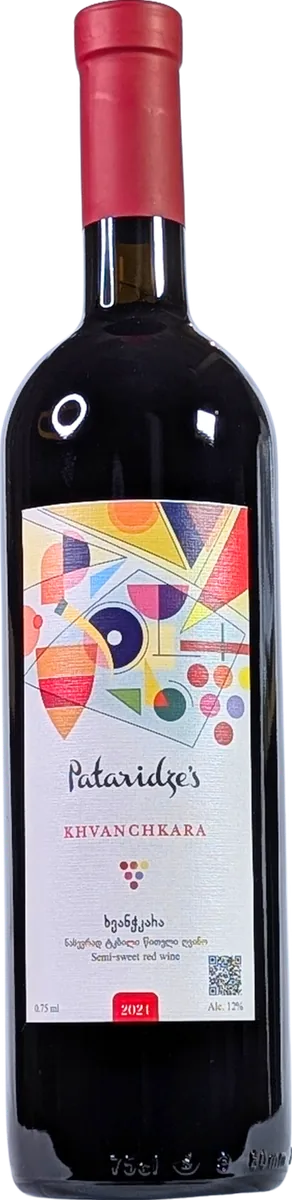
Khvanchkara · Racha-Lechkhumi · Naturally semi-sweet
Made using the traditional qvevri method, aged in a qvevri; alcohol 12%. A naturally semi-sweet red Georgian wine made from Mujuretuli and Aleksandrouli, appellation of Khvanchkara. Produced by Pataridze's Rachuli, a small family winery.
What the bottle actually is.
Comparable values, collected the same way for every wine in the catalogue. Anything we do not know is left empty.
organic — from the winery’s natural status
Grape varieties
How to serve it, and what to expect in the glass.
Glass
A medium tulip: sweetness reads without extra air, and a big bowl would only let the wine warm up.
Serving temperature
12–14 °C
Serve slightly chilled (12–14 °C); pairs with blue cheese, desserts, spicy dishes.
Aroma and taste
Aroma
Taste
Hue
Goes well with
styleWhen to open it
Glass, temperature, food and occasion are derived from the wine's style by catalogue rules, not from reviews.
What it costs, where, and how that moved.
Offers on record
1 shop
Shelf price over time
From 24 August 2026 to 27 September 2026. The series ends on the figure this page quotes.
About these figures
The median of the shops above is the price quoted everywhere on this page. Each price carries the date it was collected; shop names open the shop's own listing.
Who made it, and what they are.
No production photography on file
Photos come from the winery's own site, with the source named under each image.
Where the grapes were grown.
On the map
All regionsRegion
132 wines in the catalogue
Appellation
What to check for Khvanchkara
Khvanchkara is a naturally semi-sweet red PDO from Racha, made only from Aleksandrouli and Mujuretuli grapes grown in a small demarcated micro-zone around Ambrolauri. Because these two grapes grow on a very limited area (the core micro-zone is on the order of tens of hectares, within roughly 900 ha of Racha vineyards) while the name is among Georgia's most famous, the volume sold under the name has historically exceeded what the zone can produce, and falsification of the name is well documented in the wine press. What to check: confirm the producer is registered in the Racha/Khvanchkara zone and owns or sources Aleksandrouli/Mujuretuli grapes there, and treat unusually cheap 'Khvanchkara' with caution.
Medals, with the competition and the year attached.
A medal on its own is decoration. Each one here carries the competition, the year and the weight of that competition.
No awards on record
We do not invent recognition. When a competition publishes results for this wine, they appear here with the year and the weight of the competition.
Close in style, not in price.
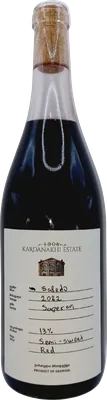
Kardanakhi Estate
Kakheti
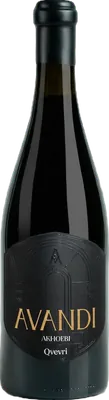
Avandi
Kakheti
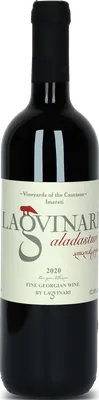
Lagvinari
Imereti
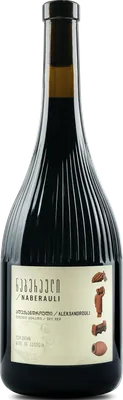
Naberauli Wines
Ranked by colour, sweetness, technology and region — not by sponsorship.
Every claim on this page has a source.
Sources on this page
Glassware, serving temperature, food and occasion are derived from the wine's style by catalogue rules. They are labelled as such wherever they appear.
Producers can respond
Pataridze's Rachuli can answer anything on this page. Responses are published next to the claim they answer.
If a figure here is wrong, the methodology page explains how we source, date and correct it.